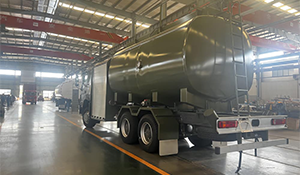
<a href='https://specialtruckcl.com/tag/aircraft-refueling-truck' target='_blank' class='key-tag'><font><strong>aircraft refueling truck</strong></font></a> for Government and Military Aviation Bases
Aircraft Refueling Truck for Government and Military Aviation Bases
Government and military aviation bases rely on highly specialized aircraft refueling trucks to support continuous flight operations, mission readiness, and strict safety requirements. This in‑depth guide explains what an aircraft refueling truck is, how it works, key specifications, and why it is essential for modern defense and government aviation infrastructure.
1. Introduction to Aircraft Refueling Trucks for Government and Military Aviation
An aircraft refueling truck is a mobile ground support vehicle designed to store, transport, filter, measure, and transfer aviation fuel directly into aircraft tanks. In government and military aviation bases, these vehicles support a wide range of aircraft types, from training planes and transport aircraft to fighters, helicopters, unmanned aerial systems, and special mission platforms.
Unlike standard commercial fuel trucks, military aircraft refueling trucks must operate in demanding environments, including remote airstrips, tactical forward operating bases, and high‑security government airfields. They are engineered to meet strict aviation fuel quality, environmental protection, and defense logistics standards, while enabling fast turnaround times and high operational tempo.
This article focuses on the industry‑standard features, specifications, and operational considerations of aircraft refuelers used at government and military aviation bases, without reference to specific manufacturers. It is suitable for technical directories, industry overviews, and informational blogs related to aviation ground support and defense logistics.
2. Definition and Core Functions of an Aircraft Refueling Truck
An aircraft refueling truck, often called an aviation fuel tanker, aircraft fuel bowser, or airport refueler, is a self‑propelled vehicle integrating:
- A fuel storage tank (for Jet A, Jet A‑1, JP‑8, F‑34, AVGAS, or other specified aviation fuels)
- Pumping and filtration systems
- Fuel delivery hoses, nozzles, and control panels
- Metering and monitoring systems for accurate fuel measurement
- Safety systems to control static electricity, leaks, and fire risks
Its core functions in a government or military aviation base are:
- Fuel Transport: Move aviation fuel from storage farms or hydrant systems to aircraft parking areas, shelters, or remote pads.
- On‑Board Storage: Provide temporary mobile storage of clean, filtered fuel close to flight operations.
- Fuel Delivery: Refuel aircraft via over‑wing or under‑wing pressure refueling methods.
- Fuel Quality Control: Filter, separate water, remove particulates, and maintain fuel purity to aviation standards.
- Measurement and Accountability: Precisely measure fuel volumes delivered for mission planning, logistics, and auditing.
3. Role of Aircraft Refueling Trucks in Government and Military Aviation Bases
Government and military aviation bases are complex facilities supporting training, combat, transport, surveillance, and humanitarian operations. The aircraft refueling truck is a critical link in the fuel supply chain between bulk storage, hydrant systems, and the aircraft themselves.
3.1 Mission Readiness and Sortie Generation
High sortie rates demand fast, reliable refueling capabilities. Military aircraft refueling trucks must support:
- Quick‑turn refueling cycles for fighters and tactical aircraft
- High‑volume fuel delivery for transport aircraft and tankers
- Frequent, short‑notice refueling for rotary‑wing assets
- Night operations and adverse weather conditions
3.2 Support for Diverse Aircraft Fleets
Government and military fleets often combine fixed‑wing and rotary‑wing platforms with different fuel requirements and refueling interfaces. The same aviation base may operate:
- Fighter jets and advanced trainers
- Cargo and strategic transport aircraft
- Maritime patrol and surveillance aircraft
- Search and rescue helicopters
- VIP and government transport aircraft
- Unmanned aerial vehicles (UAV) with specialized fuel demands
As a result, the aircraft refueling truck must offer flexible hose configurations, adjustable flow rates, and compatibility with NATO or ICAO refueling standards.
3.3 Operations at Main Bases and Forward Locations
Government and military aviation activities extend beyond main operating bases. Aircraft refueling trucks are used at:
- Main air bases and training centers
- Forward operating bases (FOBs) and contingency airstrips
- Joint civil‑military airports
- Coastal and maritime air stations
- Remote research and test ranges
Mobility, off‑road capability, and self‑sufficiency are thus key design considerations, particularly for tactical refueling trucks supporting deployed operations.
4. Types of Aircraft Refueling Vehicles Used at Military and Government Bases
Different mission profiles and infrastructure layouts call for different categories of aircraft refueling vehicles. The most common categories include:
4.1 Conventional Aircraft Refueling Tank Trucks
Conventional aircraft refueling tank trucks combine a fuel tank, pumping system, and delivery equipment on a single chassis. They are widely used where hydrant systems are not available or where flexibility and reach are critical.
- Standalone road‑legal chassis
- Integrated tank with capacities from 5,000 to 25,000 liters or more
- Pump and filter system mounted on board
- Used for both jet fuel and AVGAS in separate fleets
4.2 Hydrant Dispenser Trucks
At large government or military air bases equipped with underground hydrant networks, hydrant dispenser trucks (also called hydrant servicers) connect aircraft to the hydrant pits rather than carrying fuel in a large onboard tank.
- Small or minimal fuel storage; mainly pumping and filtration
- Connect to hydrant valve via hose; boost pressure to aircraft
- Reduced vehicle weight compared to large tankers
- Ideal for high‑density ramps and large aircraft operations
4.3 Tactical Refueling Trucks and Off‑Road Fuelers
For forward bases, rough terrain, and combat zones, tactical aircraft refueling trucks are built on all‑terrain or heavy‑duty military chassis.
- High ground clearance, all‑wheel drive (4x4, 6x6, 8x8)
- Armored cab options for hostile environments
- Self‑recovery winches and off‑road tires
- Special camouflage and blackout lighting
4.4 Towable Refueling Trailers and Bowsers
In some government and military applications, towable fuel bowsers and trailers supplement refueling trucks. They are towed by tractors, trucks, or ground vehicles and used for:
- Short‑distance fuel distribution on aprons and hangars
- Back‑up refueling at remote pads
- Small aircraft or helicopter refueling in limited‑access areas
5. Key Components of a Military Aircraft Refueling Truck
Although configurations vary, most aircraft refueling trucks for government and military aviation bases share a common set of components that work together to ensure safe and efficient refueling.
5.1 Chassis and Driveline
- Commercial or military‑grade truck chassis
- 2x4, 4x4, 6x4, 6x6, or 8x8 drive configurations
- Diesel engine optimized for torque and reliability
- Automatic or manual transmission depending on fleet doctrine
5.2 Fuel Tank
- Cylindrical or elliptical cross‑section
- Constructed from aluminum, stainless steel, or carbon steel with internal coating
- Multiple compartments possible, especially where different fuel grades are carried
- Equipped with baffles to reduce sloshing and enhance vehicle stability
5.3 Pumping and Filtration System
- Positive displacement or centrifugal pumps driven mechanically or hydraulically
- Highly efficient fuel filters and water separators
- Monitor and sampling ports for water detection and fuel testing
- Bypass valves and pressure control systems
5.4 Fuel Delivery Hoses and Nozzles
- Main delivery hose reels with different lengths
- Pressure refueling nozzles for under‑wing aircraft refueling
- Over‑wing nozzles for general aviation and helicopters
- Hose lift systems for working at various aircraft heights
5.5 Control and Metering Systems
- Mechanical or electronic flow meters
- Preset controls for automatic shut‑off at desired fuel quantity
- Instrument panels showing pressure, flow rate, and totalized fuel volume
- Data logging and interface with base fuel management systems
5.6 Safety and Environmental Protection Systems
- Emergency stop buttons located on multiple sides of the vehicle
- Static bonding reels and grounding points
- Overfill protection devices and level sensors
- Fire extinguishers and foam lines (according to regulations)
- Spill containment and drip trays
6. Advantages of Using Aircraft Refueling Trucks in Military and Government Operations
The adoption of optimized aircraft refueling trucks provides multiple advantages for government and defense aviation organizations.
6.1 High Operational Flexibility
Aircraft refueling trucks can reach aircraft parked at hardstands, shelters, dispersal areas, and remote pads without fixed refueling infrastructure. This supports flexible basing strategies, rapid deployment, and dispersed operations, which are essential for modern military and government aviation.
6.2 Rapid Turnaround and Increased Sortie Rate
High‑capacity pumps and large onboard storage tanks enable fast refueling of multiple aircraft in sequence. This capability reduces ground time, supports intensive training schedules, and increases mission sortie capacity during operations or exercises.
6.3 Reduced Dependence on Fixed Infrastructure
In contingency or expeditionary environments, building permanent hydrant systems or fuel farms may not be immediately feasible. Mobile aircraft refueling trucks reduce reliance on fixed installations, enabling immediate establishment of fuel distribution capability with minimal construction.
6.4 Enhanced Fuel Quality Control
Modern aviation refueling trucks incorporate advanced filtration, water separation, and monitoring technologies. This helps ensure that fuel delivered to aircraft meets defense, ICAO, and IATA quality standards, reducing risks of engine damage, mission disruption, or safety incidents.
6.5 Scalability and Fleet Modularity
Government and military operators can scale the number and size of refueling trucks based on mission requirements, fleet size, and type of aircraft. Adding more vehicles or varying capacities allows gradual improvements to fuel logistics without requiring large infrastructure projects.
7. Typical Specifications of Aircraft Refueling Trucks for Government and Military Bases
While actual specifications are tailored to each project, the following table summarizes typical ranges found in aircraft refueling trucks used at military and government aviation bases. These figures are indicative only and serve as general reference values.
Table 1: Typical Technical Specifications of Aircraft Refueling Trucks
Parameter |
Typical Range / Option |
Notes (Government & Military Use) |
|---|
Fuel Tank Capacity |
5,000 – 25,000 L (≈ 1,320 – 6,600 US gal) |
Smaller capacity for tactical trucks; larger for main base operations |
Fuel Types |
Jet A, Jet A‑1, JP‑8, F‑34, F‑35, AVGAS |
Fuel specification depends on national standards and mission profile |
Chassis Drive Configuration |
4x2, 6x2, 6x4 (base); 4x4, 6x6, 8x8 (tactical) |
All‑wheel drive preferred for off‑road and forward bases |
Refueling Flow Rate (Pressure) |
400 – 2,500 L/min |
Higher flow rates for large transport aircraft and tankers |
Refueling Flow Rate (Over‑wing) |
50 – 250 L/min |
Lower flow rate to avoid spillage and handle smaller aircraft |
Pump Type |
Centrifugal or positive displacement |
Selection based on flow requirements and fuel properties |
Filtration Level |
Up to 1–5 microns particulate + water separation |
Meets aviation fuel cleanliness specifications |
Number of Hose Reels |
1 – 4 |
Multiple hoses enable servicing more aircraft positions |
Hose Length |
15 – 45 m (≈ 50 – 150 ft) |
Depends on ramp layout and aircraft wing span |
Nozzle Types |
Pressure (under‑wing), over‑wing, helicopter specific |
Often conforming to international and NATO standards |
Metering System |
Mechanical or digital flow meters |
Accuracy typically ±0.25 % or better |
Cab Protection |
Standard or armored |
Armored for high‑risk operational theaters |
Climate Adaptation |
−32 °C to +49 °C or tailored range |
Cold‑weather or desert kits for extreme environments |
Compliance Standards |
ICAO, IATA, JIG, MIL‑SPEC, local regulations |
Specific to national and alliance requirements |
Typical dimensions, weights, and performance data vary according to the chosen chassis, tank configuration, and mission‑specific options such as armor, additional filtration, or de‑icing capability.
8. Safety, Standards, and Regulatory Considerations
Operating an aircraft refueling truck in a government or military aviation environment requires strict adherence to safety and regulatory frameworks. Fuel is a hazardous material, and aircraft refueling occurs in high‑risk zones connected to mission‑critical platforms.
8.1 International Aviation Fuel Handling Standards
Although individual defense forces issue their own regulations and military standards (MIL‑SPEC), many requirements align with or reference international standards, including:
- ICAO guidelines for fuel quality and refueling operations
- IATA fuel handling standards
- Joint Inspection Group (JIG) standards for fuel storage and delivery
- National civil aviation authorities’ regulations, where applicable
8.2 Military and Government Specific Regulations
Defense and government aviation organizations typically publish detailed technical orders, defense standards, or manuals specifying:
- Design requirements for military aircraft refueling vehicles
- Inspection, testing, and maintenance intervals
- Fuel sampling, laboratory testing, and documentation processes
- Training and qualification requirements for refueling operators
8.3 Key Safety Features on Modern Refueling Trucks
To meet these standards, aircraft fuel tankers incorporate advanced safety features:
- Automatic emergency shut‑off of pumps
- Breakaway couplings and dry break fittings
- Overfill prevention and high‑level alarms
- Grounding and bonding systems to prevent static discharge
- Non‑sparking tools and explosion‑proof electrical components where required
- Dedicated fire extinguishing equipment compliant with base regulations
9. Operational Best Practices at Government and Military Aviation Bases
Beyond technical specifications, effective use of aircraft refueling trucks depends on robust operational procedures and disciplined implementation.
9.1 Pre‑Operation Checks
- Visual inspection of the truck, hoses, nozzles, filters, and safety devices
- Verification of fuel type, cleanliness, and documentation
- Confirmation that the aircraft refueling truck matches the assigned mission tasking
9.2 On‑Ramp Refueling Procedures
- Positioning the truck according to base marshalling rules
- Using wheel chocks and parking brakes prior to hose deployment
- Bonding and grounding before connection to the aircraft
- Monitoring flow rates, pressures, and aircraft fuel indicators
- Strict adherence to “no smoking” and restricted electronic device rules
9.3 Communication and Coordination
- Clear communication between refueling crew, ground controllers, and aircrew
- Use of standard hand signals or radio phrases for start, stop, and emergency
- Coordination with fire and rescue services during hot refueling or alert drills
9.4 Post‑Operation and Documentation
- Securely re‑stowing hoses and nozzles
- Recording delivered fuel volumes and aircraft tail numbers
- Updating digital fuel management systems for inventory control
- Completing any required maintenance checks at the end of shift
10. Fuel Types and Compatibility Considerations
Government and military aircraft use specified aviation fuels that must be handled correctly by aircraft refueling trucks. Fuel type compatibility influences seal materials, filtration systems, and quality control processes.
10.1 Jet Fuel (Jet A, Jet A‑1, JP‑8, F‑34)
Most turbine‑powered aircraft at military and government bases consume kerosene‑type jet fuel. Common grades include:
- Jet A / Jet A‑1: Widely used civil aviation jet fuel types
- JP‑8 / F‑34: Military jet fuel with specific additives for performance and safety
10.2 AVGAS for Piston‑Engine Aircraft
Some trainers, liaison aircraft, and legacy platforms use aviation gasoline (AVGAS). Dedicated AVGAS refueling trucks or dedicated tank compartments are preferred to avoid cross‑contamination with jet fuel.
10.3 Special and Alternative Fuels
Certain government or research aircraft may operate on alternative or special fuels, such as synthetic blends or biofuel mixtures. For these, aircraft refueling truck systems may require specific seal materials, cleaning protocols, and documentation procedures.
11. Design Considerations for Military and Government Refueling Fleets
When planning or upgrading a fleet of aircraft refueling trucks for government and military aviation bases, organizations analyze technical, operational, and lifecycle factors.
11.1 Fleet Sizing and Capacity Planning
- Number of daily sorties and peak operational tempo
- Aircraft fuel capacity and turnaround time
- Base layout, distance between fuel storage and aprons
- Availability of hydrant systems or pipelines
11.2 Standardization vs. Specialization
Operators may choose between a highly standardized fleet for simplified maintenance and training or a mixed fleet with specialized tank trucks, hydrant dispensers, and tactical fuelers tailored to specific missions and locations.
11.3 Lifecycle and Sustainability
- Projected service life of the chassis and tank unit
- Ease of component replacement and upgrades (pumps, meters, electronics)
- Fuel efficiency and emissions of the vehicle engines
- Potential integration of hybrid or alternative propulsion in future fleets
12. Maintenance, Inspection, and Reliability
Maintaining high reliability of aircraft refueling trucks is essential for uninterrupted flight operations at government and military bases.
12.1 Routine Maintenance Tasks
- Engine, drivetrain, and braking system servicing
- Periodic replacement of filters and inspection of pumps
- Calibration of meters and verification of sensor readings
- Inspection of hoses, fittings, and seals for wear or damage
12.2 Fuel Quality Assurance
- Regular fuel sampling and laboratory testing
- Water detection and removal from tanks and lines
- Cleaning protocols for tanks, filters, and separators
12.3 Preventive and Predictive Approaches
Many organizations adopt preventive maintenance based on hours of operation, fuel throughput, or calendar intervals. Increasingly, digital monitoring of pump performance, flow rates, and pressure anomalies supports a predictive maintenance approach, reducing unplanned downtime of critical refueling fleets.
13. Training and Human Factors
Even the most advanced aircraft refueling truck relies on trained personnel to operate safely and effectively, especially in demanding military environments.
13.1 Operator Training
- Vehicle operation and maneuvering in crowded ramp areas
- Fuel system operation, including startup, shut‑down, and emergency procedures
- Understanding fuel specifications, contamination risks, and sampling techniques
- Compliance with base safety and security rules
13.2 Safety Culture and Human Error Prevention
Refueling operations involve close proximity to aircraft, personnel, and sensitive equipment. Emphasizing safety culture, checklists, and constant situational awareness is critical to preventing incidents such as spills, collisions, or mis‑fueling.
14. Trends and Future Developments in Government and Military Aircraft Refueling Trucks
The design and operation of aircraft refueling trucks for government and military aviation bases continues to evolve in response to new technologies, environmental regulations, and changing mission profiles.
14.1 Digitalization and Connected Systems
- Integration of onboard computers with base fuel management systems
- Real‑time tracking of fuel deliveries and vehicle locations
- Automated reporting of maintenance and diagnostic data
14.2 Enhanced Safety and Automation
- More advanced overfill protection and leak detection
- Improved fire detection and suppression systems around fuel tanks
- Assisted docking and guidance systems for safe positioning near aircraft
14.3 Environmental and Energy Efficiency Considerations
- More efficient pump drives and engine technologies
- Potential adoption of hybrid or alternative chassis powertrains
- Reduced emissions and noise footprint in sensitive environments
14.4 Modular and Multi‑Role Platforms
Future military aircraft refueling vehicles may increasingly adopt modular load systems that allow tanks, pumps, or specialized modules to be interchanged on common chassis, simplifying logistics and responding quickly to changing mission needs.
15. Example Configuration Overview (Generic)
The following non‑proprietary example illustrates a generic configuration of an aircraft refueling truck suitable for a medium‑sized government or military air base. Values are indicative and meant only to describe a typical system architecture.
Table 2: Example Generic Configuration of a Military Aircraft Refueling Truck
Subsystem |
Typical Configuration |
Purpose in Government / Military Base Context |
|---|
Chassis |
6x4 commercial‑grade truck, diesel engine |
Balance between payload capacity and maneuverability on ramps |
Fuel Tank |
18,000 L, single compartment, aluminum |
Supports multiple medium‑sized aircraft refuelings per deployment |
Fuel Type |
Jet A‑1 / JP‑8 |
Main jet fuel used by base aircraft fleet |
Pumping System |
Centrifugal pump delivering up to 1,500 L/min |
Efficient high‑flow refueling for fighters and transports |
Filtration |
Multi‑stage filter / water separator unit |
Ensures fuel quality and protects aircraft engines |
Hose Reels |
Two pressure refueling hose reels, 30 m each |
Serve aircraft parked on both sides of the vehicle |
Nozzles |
Standard pressure nozzles with deadman handles |
Compliant with aviation fuel handling safety practices |
Over‑Wing Capability |
One over‑wing nozzle on auxiliary reel |
Allows refueling of helicopters and small fixed‑wing aircraft |
Metering |
Electronic flow meter, preset controller |
Accurate delivery measurement and prevention of overfilling |
Safety Systems |
Emergency stop, grounding reel, fire extinguishers |
Mitigate refueling‑related hazards and ensure personnel safety |
Cab Equipment |
Radio communication, basic diagnostic display |
Maintain coordination with tower, base operations, and fuel farm |
16. Integration with Base Fuel Infrastructure and Logistics
An aircraft refueling truck does not operate in isolation. It is one component of a broader government or military fuel supply system that includes bulk storage depots, pipelines, railcars, fuel barges, hydrant systems, and fuel management information systems.
16.1 Interface with Storage and Hydrant Systems
- Bottom or top loading from bulk fuel storage tanks
- Use of loading metering systems to track inbound fuel volumes
- Return of recovered fuel or drained contaminated fuel to designated facilities
16.2 Inventory and Accounting
In government and military operations, accurate fuel accounting is critical for logistics planning and budget control. Aircraft refueling truck meters are often integrated into:
- Base‑wide digital fuel management platforms
- Mission planning systems and flight operation records
- National defense logistics information systems
17. Environmental and Spill Control Considerations
Government and military aviation bases must also comply with environmental legislation and internal policies regarding fuel spills, emissions, and waste management. Refueling trucks play a role in minimizing environmental impact.
17.1 Spill Prevention and Containment
- Drip trays under hose connection points
- Spill kits onboard each refueling truck
- Procedures for immediate containment and cleanup
17.2 Emissions and Noise Control
Up‑to‑date engines and exhaust after‑treatment reduce emissions during operations on densely used aprons. Some bases may choose low‑noise pump systems or auxiliary power units to limit disturbance near sensitive facilities or residential areas.
18. Summary and Key Takeaways
Aircraft refueling trucks for government and military aviation bases are specialized vehicles that combine fuel transport, filtration, measurement, and delivery functions in a mobile platform. They support mission readiness by enabling high‑tempo operations, flexible basing, and reliable fuel quality for a broad spectrum of aircraft types.
When designing, procuring, and operating these vehicles, government and military organizations evaluate:
- Fuel capacity, flow rates, and compatibility with fleet requirements
- Chassis performance under base and field conditions
- Compliance with aviation fuel handling standards and defense regulations
- Safety systems and environmental protection measures
- Lifecycle costs, maintenance requirements, and upgrade potential
By aligning aircraft refueling truck specifications with the strategic and tactical needs of their aviation assets, government and military operators ensure reliable, safe, and efficient fuel delivery in both peacetime and operational scenarios.
```





 WhatsApp
 Phone
Phone
Comment
(0)