

livestock feed delivery vehicle
A livestock feed delivery vehicle is a specialized truck designed to transport and accurately distribute feed to farms and livestock facilities. Its primary purpose is to move large quantities of bulk feed, such as pellets, mash, or grains, from feed mills or storage centers directly to barns, silos, or feed bins. By automating loading, transport, and unloading, it improves efficiency, reduces labor, and helps maintain feed quality.The structure of this type of vehicle typically consists of a heavy-duty chassis, a bulk feed tank or compartment, and a delivery system. The tank is usually divided into several compartments so that different types of feed can be delivered on a single trip. Each compartment is sealed to protect the feed from moisture, contamination, and loss during transport. The material of the tank is often steel or aluminum, chosen for strength, corrosion resistance, and ease of cleaning.The delivery system is the core feature of a livestock feed delivery vehicle. Common systems include auger-based mechanisms, pneumatic blowers, or conveyor belts. Auger systems use rotating screws to move feed from the compartments through pipes into feed bins. Pneumatic systems use air pressure to blow feed into storage silos over longer distances or higher elevations. These systems are usually controlled from a panel that allows the operator to select compartments, regulate flow, and adjust unloading speed.Precise metering devices and weighing systems are often integrated into the vehicle. Built‑in scales and sensors help measure the amount of feed loaded and unloaded, ensuring accuracy in deliveries and inventory management. Some vehicles are equipped with digital control units and data logging, allowing operators to track delivery records, feed types, and quantities for each customer or farm.Safety and hygiene are important considerations in the design. Ladders, guard rails, and non-slip surfaces give operators safe access for inspection and maintenance. Dust control is also critical, as fine particles can escape during loading and unloading. Many vehicles include dust collection or filtration systems, along with tightly sealed hatches and valves. Interior surfaces are smooth to minimize feed residues, and cleaning ports make it easier to wash out the compartments and delivery lines.Modern livestock feed delivery vehicles may include GPS navigation, route optimization, and communication systems to coordinate schedules, reduce fuel consumption, and ensure timely deliveries. In some regions, there is a growing emphasis on fuel efficiency and emissions reduction, influencing engine selection and vehicle design. Overall, this type of vehicle plays a vital role in the livestock industry by securing a reliable, clean, and efficient supply of feed from production sites to farms.
Products
Category:
-
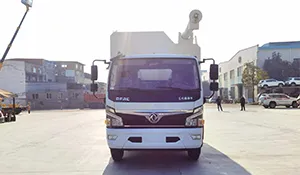
Dongfeng Furika 17 cubic meter bulk feed truck
Category: Bulk feed truckBrowse number: 3Number:Release time: 2026-03-26 11:06:47The Dongfeng Furika 17 cubic meter bulk feed truck is designed for efficient feed transport and unloading. Equipped with multiple compartments, hydraulic or electric augers, and a robust chassis, it ensures quick, controlled, and safe delivery. Ideal for livestock farms, feed mills, and commercial distribution operations.
News
Category:
No search results found!
Case
Category:
No search results found!
Video
Category:
No search results found!
Download
Category:
No search results found!
Job
Category:
No search results found!
Featured Products
No search results found!



 WhatsApp
 Phone
Phone