

Precision feed placement vehicle
A precision feed placement vehicle is a specialized agricultural machine designed to deliver animal feed with high accuracy, consistency, and efficiency. It combines advanced mechanical, electronic, and sensing systems to ensure that feed is placed exactly where and when it is needed, reducing waste and supporting optimal animal performance.The core of the vehicle is a robust chassis equipped with a powered drive system, typically hydrostatic or mechanical, allowing smooth movement in barns, feed alleys, or outdoor feeding areas. Steering and maneuverability are key design features, enabling operation in narrow passages and around obstacles commonly found in livestock facilities. The vehicle is generally compact but engineered to carry substantial feed volumes in a central hopper or bin.Feed storage and handling mechanisms are carefully designed to prevent segregation and damage to feed components. The main hopper often includes agitators or screw conveyors to maintain a uniform mixture and prevent bridging. From the hopper, feed is conveyed to the discharge system through augers, conveyor belts, or chain systems. These mechanisms are controlled by variable-speed drives to regulate the exact amount of feed delivered per unit distance or time.A defining feature of a precision feed placement vehicle is its control and measurement system. Onboard controllers receive input from sensors that monitor vehicle speed, auger speed, feed flow rate, and sometimes feed weight. Using these data, the system automatically adjusts discharge rates to maintain a target ration per animal or per meter of feed bunk. In more advanced configurations, the vehicle can be programmed with ration profiles for different groups of animals, such as lactating cows, heifers, or finishing cattle, and will automatically adjust feed composition and quantity according to the selected profile.Positioning and navigation technologies further enhance precision. Some vehicles rely on operator guidance with clear visual indicators of target paths, while more advanced models integrate GPS, laser, or indoor positioning systems to follow predefined routes. This minimizes overlap and gaps in feed distribution. In barn environments, guidance can also be supported by floor markers, rail systems, or side-wall sensors that maintain a precise lateral distance from the feed bunk.Feed placement accuracy is also influenced by the design of the discharge outlets. Adjustable spouts, side conveyors, or sliding doors direct feed evenly along the feed bunk, reducing piles and empty spots. Certain designs allow variable discharge width and direction, enabling the same vehicle to feed different bunk types or pen layouts without major adjustments.From a management perspective, the vehicle often includes data logging and connectivity functions. Feeding events, quantities, times, and routes can be recorded and transferred to farm management software for analysis. This information helps optimize feeding schedules, monitor feed intake at group level, and evaluate the efficiency of feeding strategies. Over time, patterns identified in the data can support decisions that improve feed conversion and animal health.Energy efficiency and operator safety are important design considerations. The vehicle may use electric, diesel, or hybrid power, with emphasis on low fuel consumption and reduced emissions, particularly for indoor operation. Safety features include emergency stop controls, protective guards around moving parts, clear visibility from the operator station, and sometimes camera systems for monitoring blind spots and discharge zones.Overall, a precision feed placement vehicle integrates mechanical reliability, precise metering, intelligent control, and data capabilities. It reduces labor requirements, cuts feed losses, and ensures animals receive consistent, well-distributed rations, contributing to higher productivity, better animal welfare, and more sustainable livestock production.
Products
Category:
-
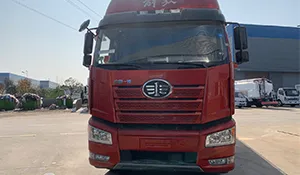
Jiefang J6 8x4 bulk feed transport truck (40-45 cubic meters)
Category: Bulk feed truckBrowse number: 3Number:Release time: 2026-03-26 09:53:35The 4x8 bulk feed transport vehicle is engineered for large-scale livestock operations, offering 40 cubic meters of feed capacity. Its multi-compartment tank and electric or hydraulic augers allow precise control over unloading sequence and speed, reducing labor, preventing feed loss, and ensuring efficient, high-volume feed delivery across farms and distribution centers.
News
Category:
No search results found!
Case
Category:
No search results found!
Video
Category:
No search results found!
Download
Category:
No search results found!
Job
Category:
No search results found!
Featured Products
No search results found!



 WhatsApp
 Phone
Phone